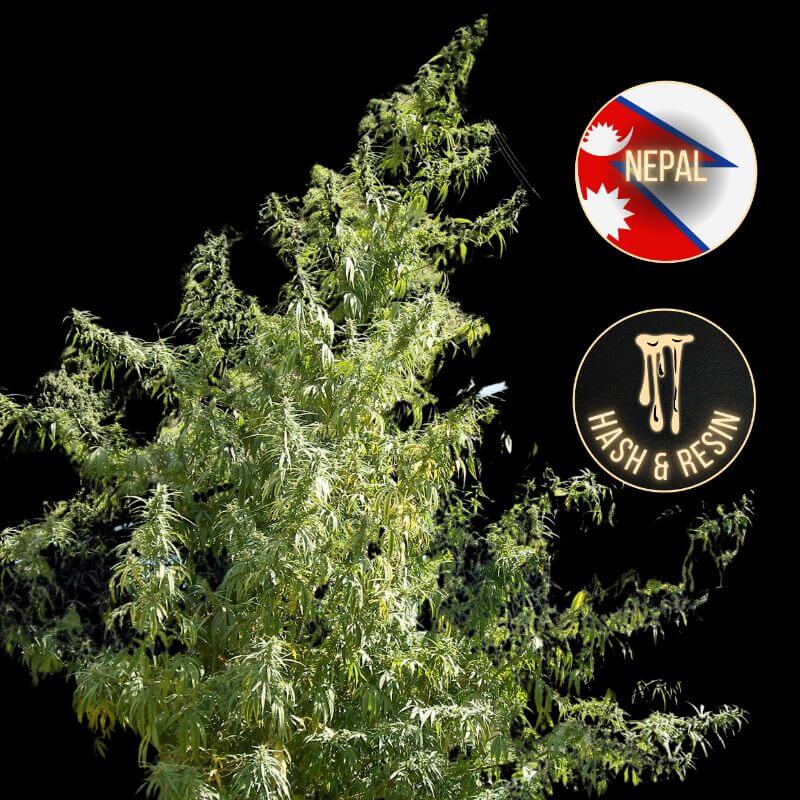
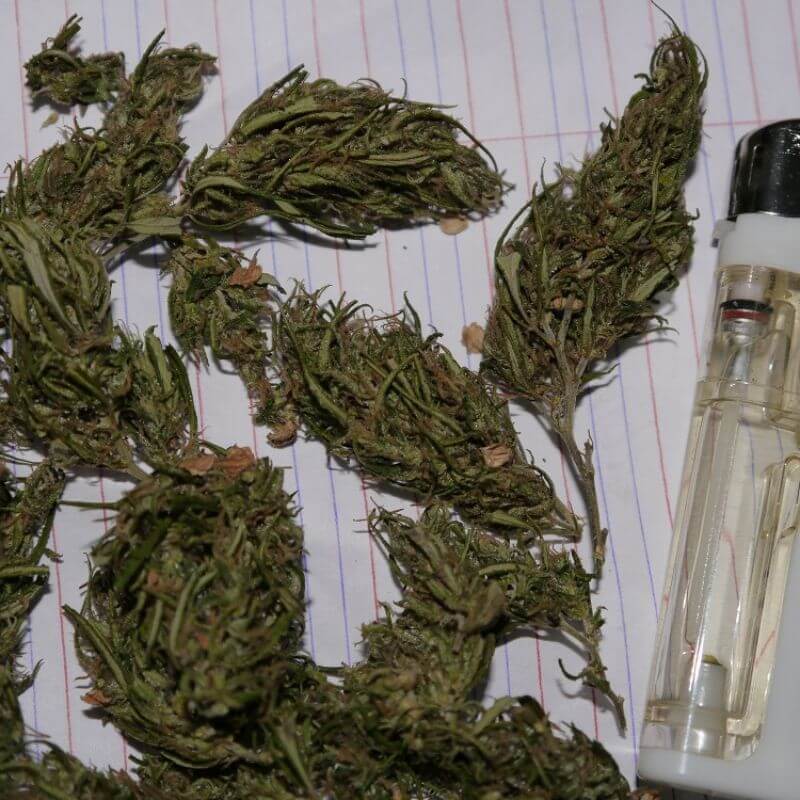
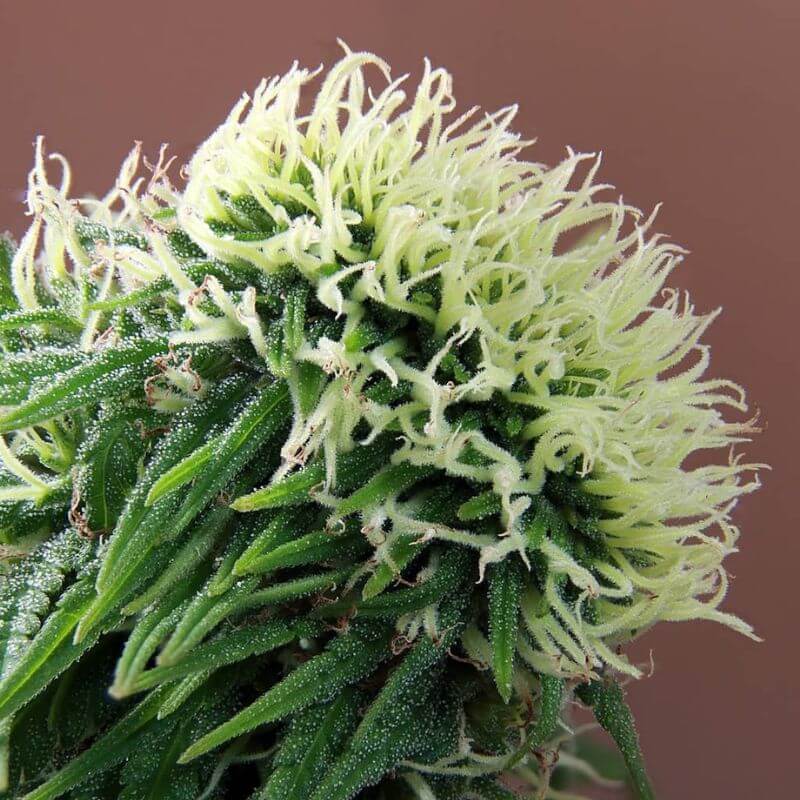
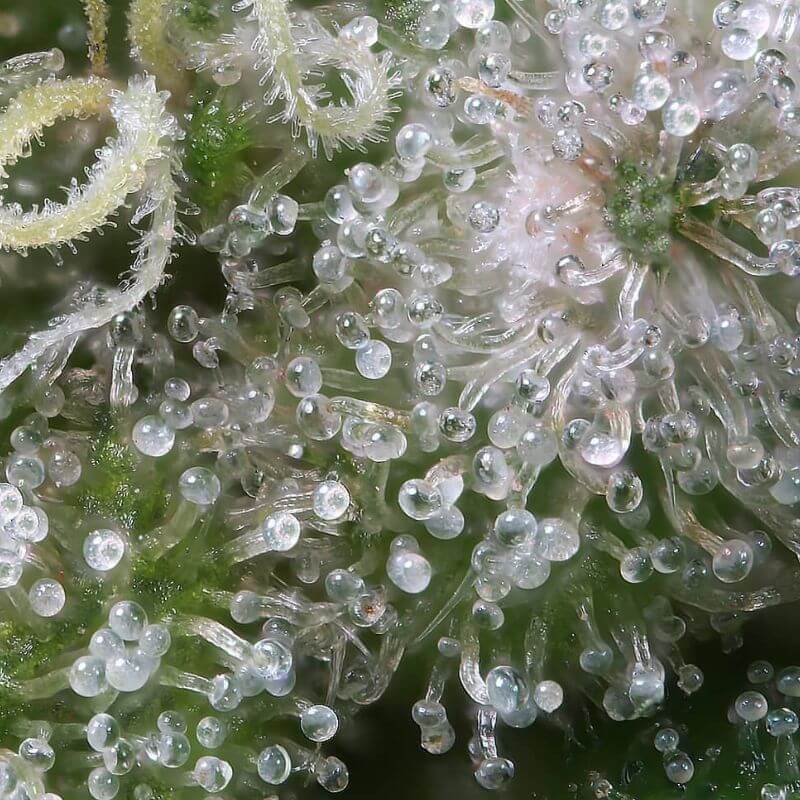
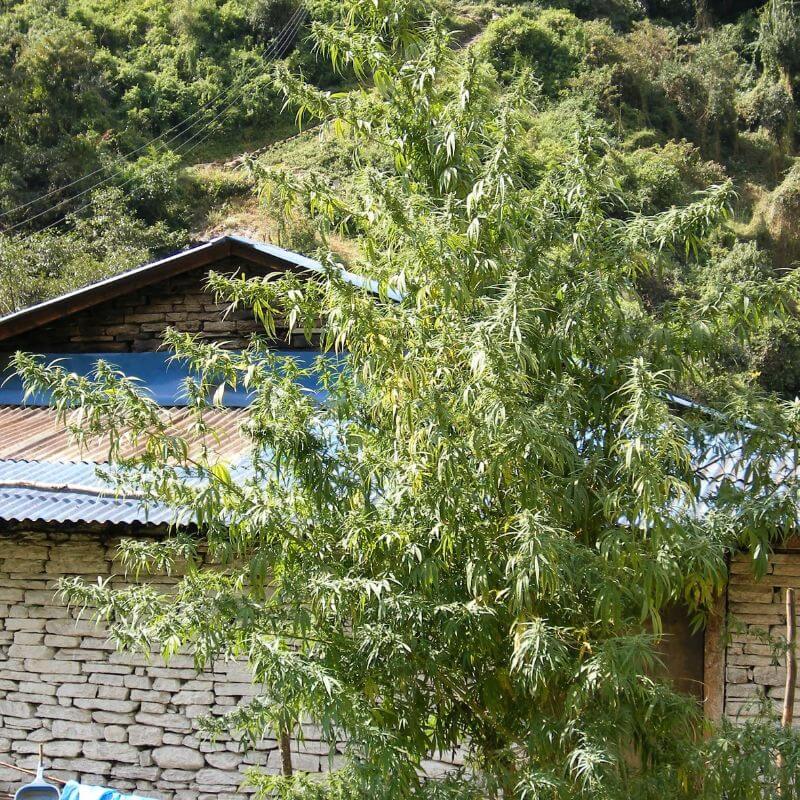
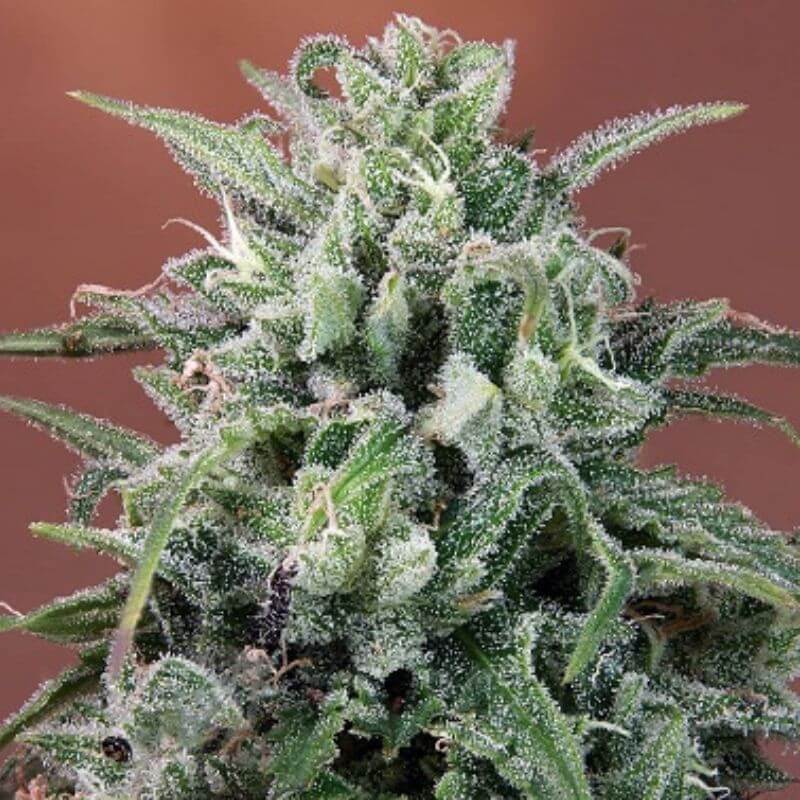
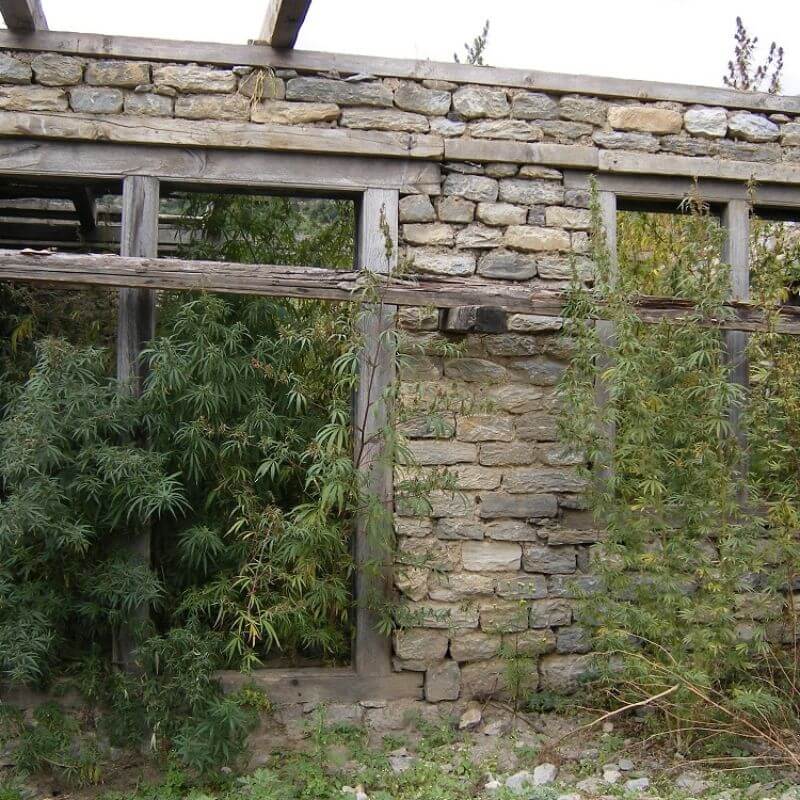
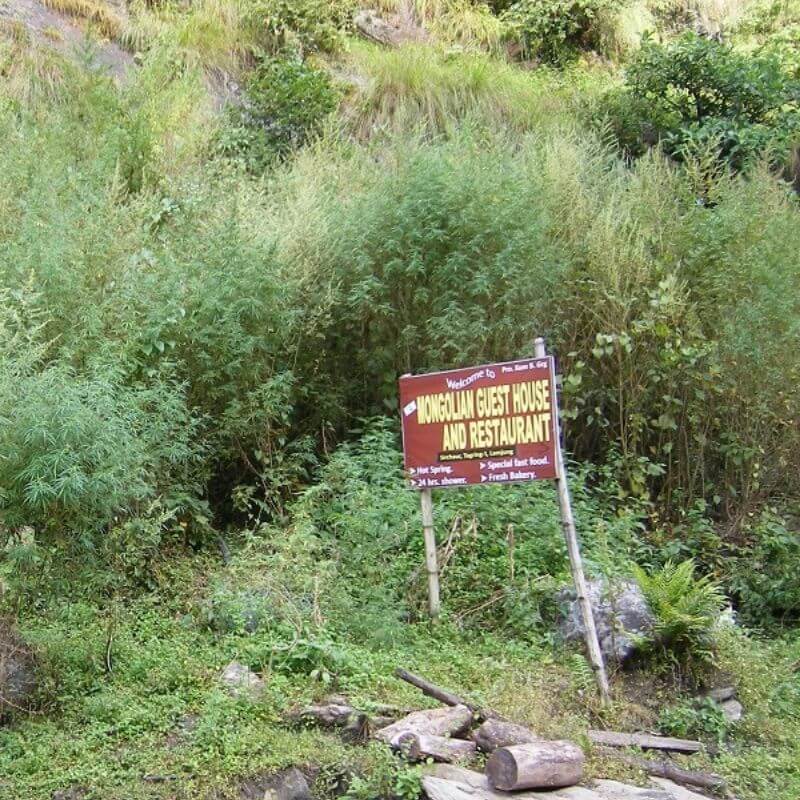
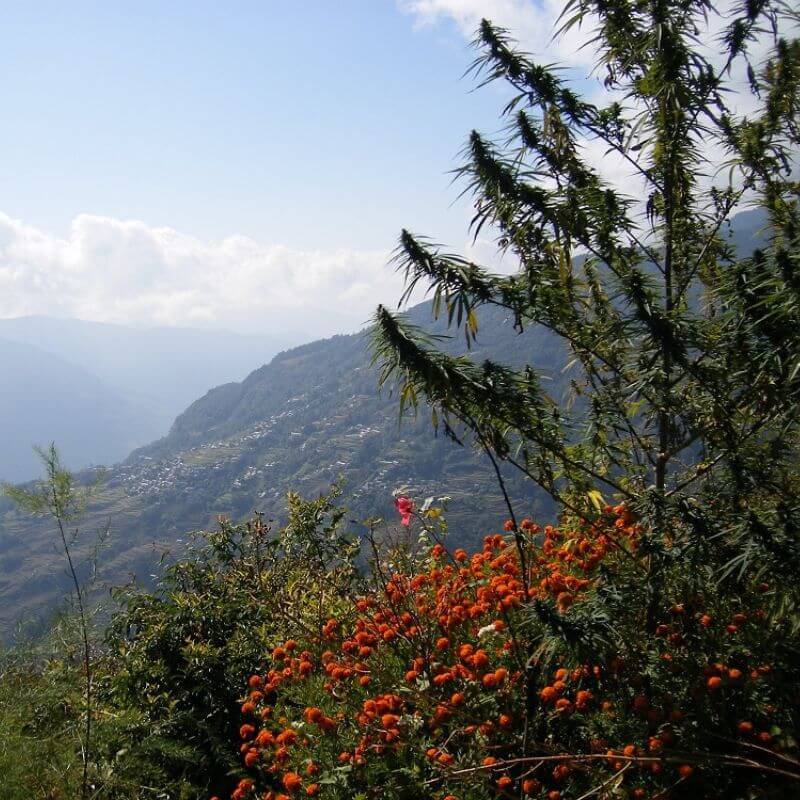
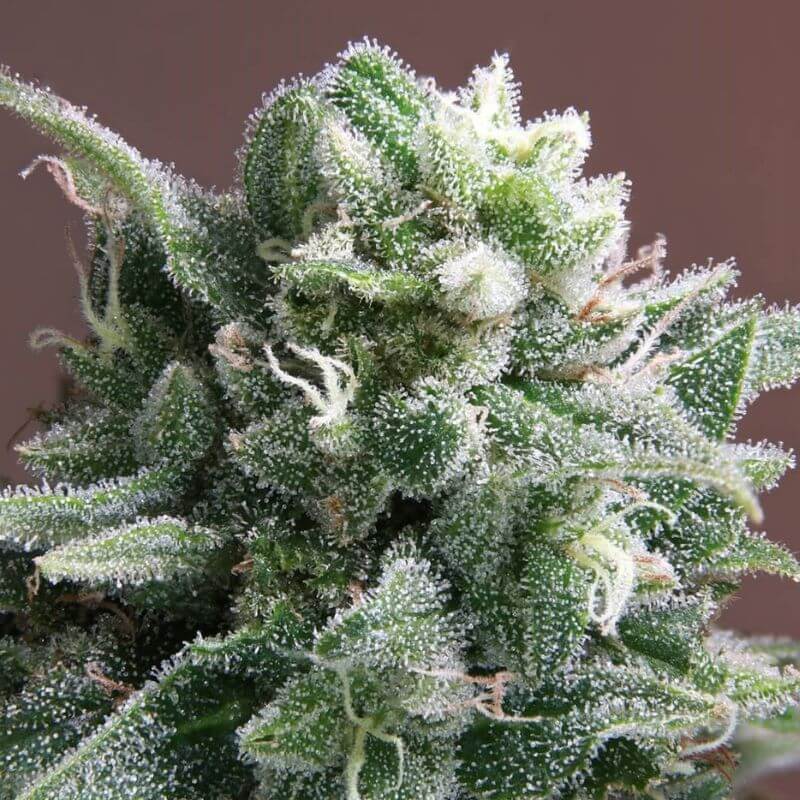
Nepal Annapurna by ACE Seeds is a pure 100% sativa landrace sourced from the slopes of the Annapurna mountain range in Nepal, cultivated above 2000 m altitude. It represents an authentic wild Nepalese phenotype; tall, elegant, and flexible, with thin stems, long internodes, and lanky branching. This cultivar thrives in poor soils with minimal care and shows remarkable resistance to mould, rain, wind, cold, and strong temperature variations. Its delicate, spongy flowers with long pistils mature in 12–14 weeks and can display purple and pink hues under cold conditions. Reported cannabinoid profile includes THC 5–9 %, CBD 0.5 %, and CBG 0.5 %. Terpene analysis has not yet been conducted, but the bouquet is described as spicy, woody, herbal, hashish-like, and incensey, sometimes fruity with strawberry, lemon, or watermelon notes and touches of eucalyptus and mint. Psychoactivity is mild and of moderate duration, providing clean, refreshing, inspiring, and spiritual effects without lethargy or discomfort. Cultural Utilization: traditionally, local Nepalese farmers rub the resinous flowers by hand during late flowering to collect the sticky resins used to make Nepalese charas:a famous and culturally significant hashish with incense, spice, and menthol nuances, celebrated for its clarity and uplifting character and regarded as one of the finest hashish types worldwide. Indoors, the plant grows easily under 18/6 (veg) and 12/12 (flower) cycles, performing well in SCROG, horizontal, or network systems due to excellent lateral branching and response to pruning. Outdoors, it thrives up to 45° latitude, tolerating rain and low temperatures exceptionally well. Resistance ratings are very high for botrytis, high for mildew and heat, average-high for white fly and spider mites, and very high for cold. Nutrient guidelines call for low–moderate feeding in vegetative growth and moderate PK levels during mid-flowering; flowering stimulators should be avoided to prevent hermaphroditic tendencies. Yield is average per m², but the plant’s resilience, adaptability, and cultural heritage make it a key Nepalese landrace for preservation and breeding projects.