
Summary
- The High Times Cannabis Cup, founded in Amsterdam in 1988, was the world’s first formal cannabis competition, and it shaped the global seed market more than almost any other single event.
- Cannabis awards are judged by panels of experienced judges evaluating aroma, flavour, visual appearance, effect, and sometimes laboratory cannabinoid analysis.
- Winning a Cannabis Cup genuinely validates a strain’s quality, but the context matters: which year, which category, which judging format, and which competing entries.
- Multiple Cup wins across different years and categories are the strongest signal of consistent genetic quality. One win from a small competition means less.
- At Jonny Seeds’, several featured strains, including from Soma‘s Sacred Seeds and Compound Genetics, carry verifiable Cup-winning histories.
‘Cup Winner’: Marketing or Meaningful?
You have seen it on seed packs. ‘Multiple Cannabis Cup Winner.’ ‘Award-Winning Genetics.’ It is one of the most common claims in the seed market. And like most things in cannabis marketing, it ranges from genuinely significant to essentially meaningless depending on the context.
Understanding cannabis awards, where they come from, how they work, what they measure, and how much weight they deserve, is one of the more useful tools a grower can have when evaluating genetics. Let’s break it down.
The Origin: Amsterdam, 1988
How the Cannabis Cup Was Born
The High Times Cannabis Cup was created by Steven Hager, editor of High Times magazine, and held for the first time in Amsterdam in November 1988. The timing was not accidental: Amsterdam’s coffeeshop culture had created, for the first time, a semi-public marketplace for cannabis where quality and variety were actually competing for customer preference. A formal competition was a natural extension.
The format was simple: journalists, industry figures, and invited judges spent a week in Amsterdam visiting coffeeshops, sampling entries, and voting. The Seed Bank of Holland, Neville Schoenmakers’ pioneering operation, dominated the early years, as it was producing some of the only commercially available high-quality genetics in the world.
The Impact on the Seed Industry
The Cannabis Cup’s effect on the cannabis genetics market was transformative. Almost overnight, it created a competitive framework that rewarded quality. Breeders who won saw immediate commercial benefit. Strains that placed well became sought-after across Europe and North America.
It also accelerated an era of intense hybridisation as breeders raced to produce the next winning variety. The 1990s Amsterdam scene, which produced Super Silver Haze, White Widow, AK-47, Northern Lights, and dozens of other classics, was fuelled partly by Cup competition.
Notable Cannabis Cup Moments in History
| Year | Strain | Breeder | Significance |
| 1988 | The Cultivator’s Choice | Unknown | First Cannabis Cup winner established the category |
| 1994 | Jack Herer | Sensi Seeds | First win for one of cannabis history’s most iconic strains |
| 1997–99 | Super Silver Haze | Green House Seeds | Three consecutive wins. Still cited as one of the greatest strains ever bred |
| 2000 | White Widow | Various | Crystallised a new standard for resin production in the market |
| 2004 | NYC Diesel | Soma’s Sacred Seeds | Validated Soma’s position as one of the great Amsterdam breeders |
| 2010s | Multiple Kush hybrids | US breeders | US genetics began competing and winning, shifting the market toward American influence |
How Cannabis Competitions Actually Work
What Is Being Judged?
- Reputable cannabis competitions evaluate entries across multiple criteria:
- Aroma: complexity, intensity, and distinctiveness of the terpene profile
- Visual appeal: bud structure, trichome coverage, colour, and trim quality
- Flavour: on inhale and exhale, smoothness, terpene expression
- Effect: onset, intensity, character, and duration, assessed subjectively by judges
- Laboratory results: many modern competitions require third-party cannabinoid and terpene analysis
The best competitions weight these categories proportionally, ensuring that THC percentage alone does not determine the winner, which would reduce the judging to a simple lab test and miss the point entirely.
The Different Competition Formats
High Times Cannabis Cup (original Amsterdam format): Judges are industry professionals and invited participants. The Amsterdam Cup ran annually from 1988 to 2014, when Dutch authorities made the public judging format impossible to continue legally.
High Times Cannabis Cup (US format): After Amsterdam, the event moved to legal US states. Different format, different judging pool, different meaning. Wins from the US Cups are legitimate but not directly comparable to the Amsterdam era.
Emerald Cup (California): Arguably the most credible American cannabis competition. Organic and sun-grown entries only. Strong laboratory component. Highly regarded within the industry.
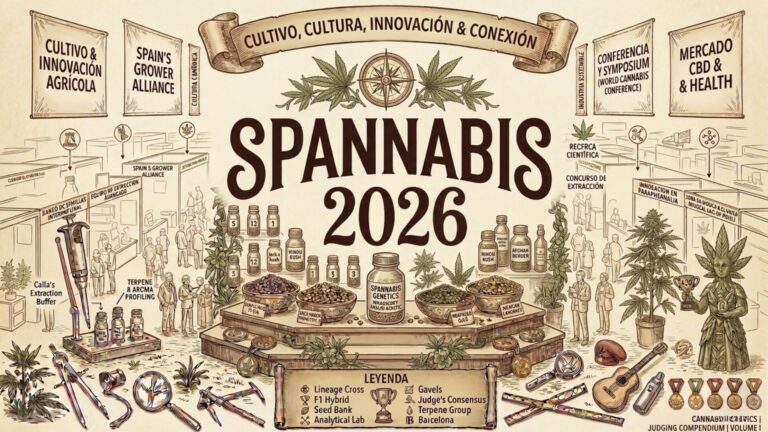
Spannabis (Barcelona): Europe’s largest cannabis trade show also runs competition awards. Increasingly significant as European legal markets develop.
Various smaller competitions: Dozens of regional competitions exist worldwide. Winning one is worth something, but considerably less than a High Times or Emerald Cup win.
How to Use Awards When Buying Seeds
What to Look For
- Multiple wins across different years: the strongest signal. It means the genetics perform consistently, not just once in ideal conditions.
- Named category wins (e.g., ‘Best Sativa’, ‘Best Hash’, ‘Best Medical’): more informative than a general award because they tell you what the strain was recognised for.
- Competition era: an Amsterdam Cannabis Cup win from the 1990s or 2000s is historically significant. A small regional win from 2023 is less so.
- Breeder credibility: does the breeder have a history of consistent quality, or is this their only claim to fame?
What to Treat Sceptically
- Unverifiable claims: ‘award-winning’ with no competition name, year, or category is essentially meaningless. Demand specifics.
- Self-reported wins: always cross-reference with High Times archives or competition records where possible.
- THC-only wins: some competitions award primarily on potency testing. This tells you about THC content, not overall quality.
Award-Winning Genetics at Jonny Seeds’
Several breeders and strains in our collection carry verifiable, significant competition histories. Soma’s Sacred Seeds’ entries, including Amnesia Haze, NYC Diesel, and Lavender, have multiple High Times Cannabis Cup placements across the Amsterdam era. Compound Genetics from the US has produced strains that placed at the Emerald Cup and other reputable American competitions.
When you see ‘Cup Winner‘ in our shop, we can tell you everything about it. That transparency is part of Jonny’s Codex.